About the author
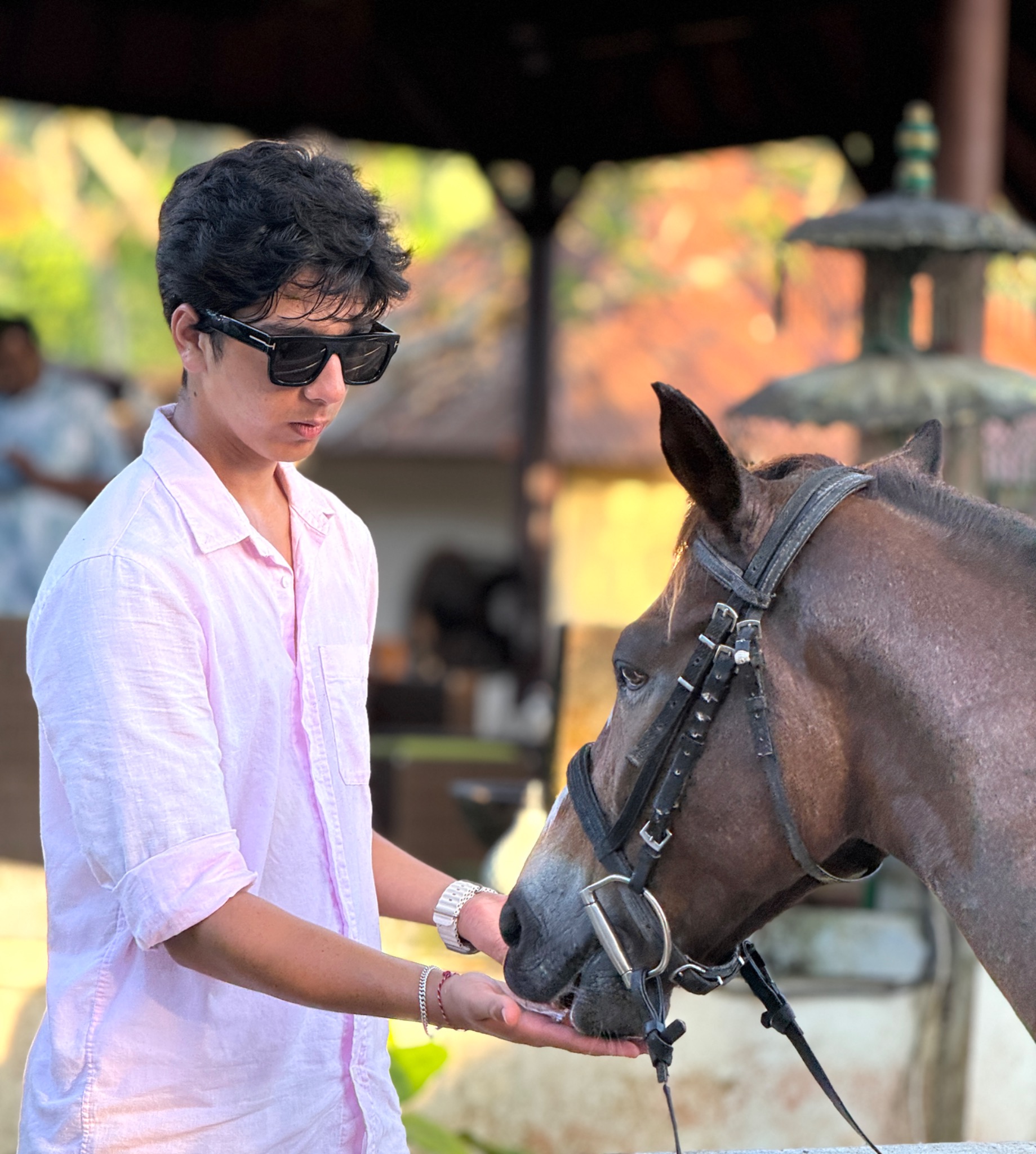
Hi, I’m Arnav.
I am an IB Diploma student, actor, dancer, and the person behind PreserveChhau and The Science of Chhau Dance. I met Chhau through a performance. The questions stayed long after the competition ended.
How this began
One rehearsal became a longer investigation.
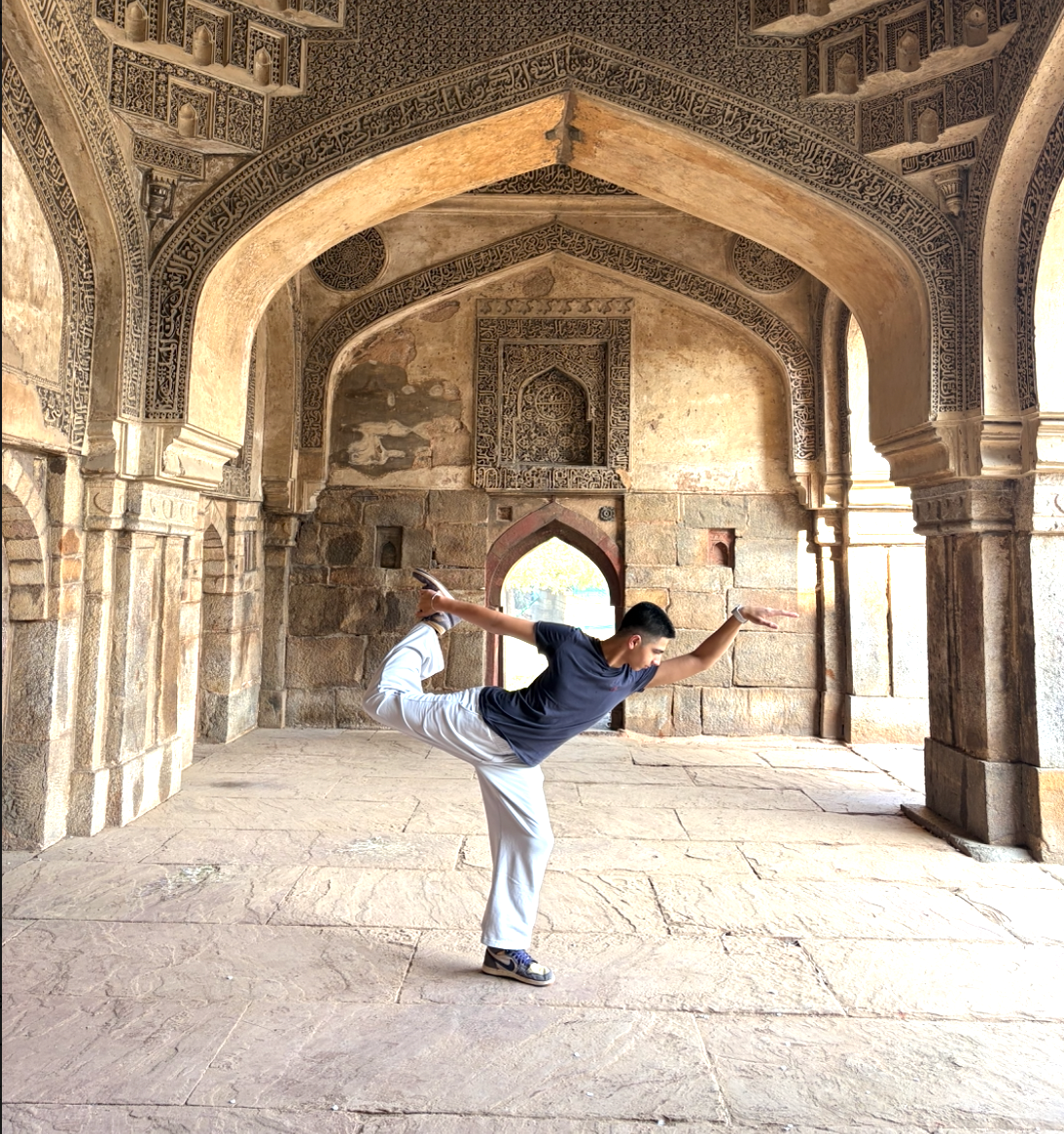
I first encountered Chhau while preparing for an international dance competition. I wanted to perform a form I had never tried. My mentor had trained in Mayurbhanj Chhau, and he introduced me to it.
At first, Chhau belonged to one performance. Then it kept coming back. During school rehearsals, our group returned to its movements for fun, even when we were meant to practise something else. The form had stayed in our bodies.
I wanted to know what I had performed. Why was Mayurbhanj Chhau unmasked? How did it relate to Seraikella and Purulia? What were the drums telling the dancer? Where did the movement words come from?
The answers rarely sat in one place. A book explained history. A paper discussed movement. A video showed a performance without naming what I was watching. As a beginner, I often needed the right question before I found a useful answer.
This project grew from those searches. I did not begin with a campaign or a claim I would save a tradition. I began with one performance, then a habit, then a long list of questions. I wanted to build the introduction I had needed.
Acting taught me to take direction and notice small choices in gesture, focus, and timing. Dance made those choices physical. School research taught me to record where an answer came from and to say when the evidence did not settle a question.
Public work
Arts research, built for a screen.
The Science of Chhau Dance, published through PreserveChhau, is one part of how I work. I also built IB E-Source, a public arts-reference project for IB students covering visual arts, theatre, music, and dance. Both projects ask the same simple question. How do you make a difficult first step clearer without flattening the subject?
Where I stand
Curious. Responsible. Still learning.
I am not a Chhau guru, historian, or hereditary practitioner. I do not speak above the dancers, teachers, musicians, mask makers, researchers, and communities whose knowledge makes this work possible.
My role is specific. I compare sources, point out disagreement, design a clear path for beginners, and state what still needs review. A screen cannot replace training, a live performance, or time with a practitioner.
Preservation begins with accurate names, consent, credit, and access. This book tries to support those habits without pretending ownership of the tradition.
My working method
Four rules behind every page.
- 01
Ask before claiming
I start with a question and follow the strongest source I have. I do not turn a gap into a confident story.
- 02
Keep the three styles distinct
A movement, mask, instrument, or history stays with the region named by its source.
- 03
Credit the people
Dancers, teachers, musicians, makers, writers, and communities are part of the knowledge, not material around it.
- 04
Leave room for correction
This book records open questions because a public project should show where work remains.
Continue from here